
NSC Olimpiyskiy Overview
Located in Kyiv’s historic Olympic district, NSC Olimpiyskiy sits at the center of a civic landscape that links sport, politics, and culture, and it has long served as a stage for Ukraine’s most important matchups and cultural events. The stadium’s footprint has grown from a compact football ground into a multipurpose arena capable of hosting international football friendlies, national cup finals, political ceremonies, and headline concerts alike. The evolution mirrors broader shifts in Ukrainian infrastructure, moving from mid-century mass assembly design toward modern, safety oriented management of a national stadium. Ongoing modernization projects continue to improve seating, accessibility and digital infrastructure, ensuring the stadium remains capable of meeting UEFA and FIFA requirements while delivering memorable experiences for fans. As a cornerstone of Ukrainian sports culture, NSC Olimpiyskiy embodies both historic legacy and contemporary ambition, inviting residents and visitors to witness high level competition and world class entertainment.
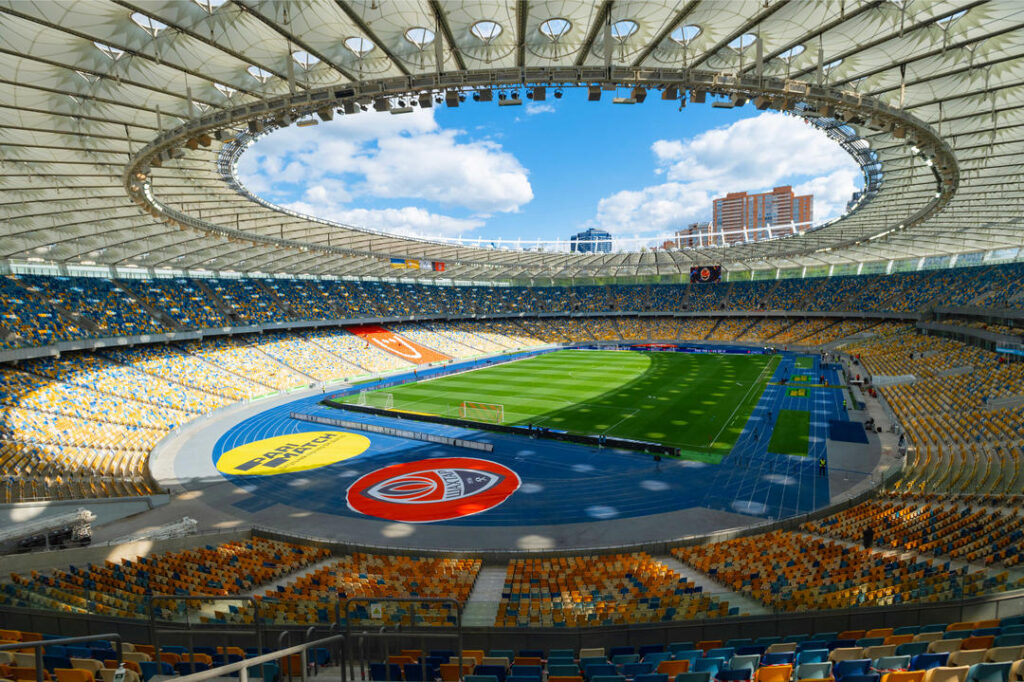
Location and capacity
Located in Kyiv’s historic Olympic district, NSC Olimpiyskiy sits at the center of a civic landscape that links sport, politics, and culture, and it has long served as a stage for Ukraine’s most important matchups and cultural events. The stadium’s footprint has grown from a compact football ground into a multipurpose arena capable of hosting international football friendlies, national cup finals, political ceremonies, and headline concerts alike.
| Section | Seating Capacity | Notes |
|---|---|---|
| Main arena bowl | 67,000 | Primary spectator area after renovations |
| Corporate and VIP suites | 1,900 | Premium seating distributed across levels |
| Media and press seats | 900 | Dedicated zones with broadcast infrastructure |
| Total seating capacity | 70,000 | Official figure used for most events |
The surrounding precinct has shaped accessibility, with pedestrian bridges, metro connections, and bus corridors designed to funnel large crowds efficiently while preserving the landmark’s visual presence. Today the venue continues to evolve to meet modern demands for safety, comfort, and versatility while remaining a revered national symbol.
Architectural design and renovations
From its mid-century origins, the Olimpiyskiy architectural identity blends functional Soviet mass-assembly principles with later modern upgrades that emphasize sightlines and crowd management. Early iterations favored broad terraces and a modular framework, while successive renovations introduced reinforced roofing, upgraded seating, improved circulation, enhanced accessibility and expanded premium zones to accommodate diverse events and international broadcasts.
The renovations of NSC Olimpiyskiy Stadium were carried out through international collaborations and in-house engineering teams, emphasizing safety compliance, improved acoustics, climate control, and digital integration for advanced LED video displays and live broadcasting capabilities. Similar to the way modern digital platforms like Fortunica Casino rely on continuous technological upgrades and user-focused design to enhance the experience, the stadium’s upgrades aimed to meet contemporary standards for safety and audience engagement while preserving its historic significance.
Timeline and key dates
These milestones trace the evolution of the venue from a modest prewar ground to a high profile multipurpose arena that reflects Ukraine’s aspirations in sport and culture. Each phase highlights how political shifts, economic growth, and international competition influenced design choices, infrastructure, and operations at the NSC Olimpiyskiy.
- 1930s–1940s: The earliest phases of the ground’s development set the foundations for a stadium capable of hosting international matches and domestic cups, reflecting Kyiv’s growing role in Eastern European sports.
- 1940s–1950s: Reconstructions expanded seating capacity and refined field access, incorporating early safety measures and improved drainage systems to support more frequent events under challenging wartime and post-war conditions.
- 1960s–1970s: The stadium’s silhouette matured into a broader multi-use complex with enclosed concourses, enhanced lighting, and broadcast-ready infrastructure that served both football events and national-scale gatherings.
- 1980s: A new roof membrane and seating optimization addressed weather-related challenges and viewer comfort while maintaining a flexible arena capable of hosting athletic meets and major concerts.
- 2000s: The major rebuild consolidated retail and hospitality zones, upgraded safety systems, and integrated ICT platforms to manage ticketing, scoring, and streaming for international broadcasting.
- 2010s: Start of formal modernization to meet UEFA and FIFA standards, including improved pitch surfaces, accessibility, and media cabins, enabling the venue to host European qualifiers and high-profile concerts.
- 2020s–present: Ongoing adaptive reuse emphasizes sustainability, digital upgrades, and resilient operations to safeguard the stadium’s role in national pride and international sport.
These milestones illustrate the balance between capacity growth and retaining the stadium’s distinctive massing as a national symbol.
Current uses and management
The NSC Olimpiyskiy is operated by the National Sports Complex with oversight from the Ministry of Youth and Sports and coordination with city authorities. The Ukraine national football team uses the stadium for FIFA and UEFA matches, while Dynamo Kyiv and other clubs schedule fixtures here when capacity or pitch conditions favor a neutral venue. In addition to football, the arena hosts athletics championships, national finals, large-scale concerts and cultural events, making it one of Eastern Europe’s most versatile venues. The NSC schedule strategy prioritizes stakeholder coordination, safety, accessibility, and a strong value proposition for sponsors and fans.
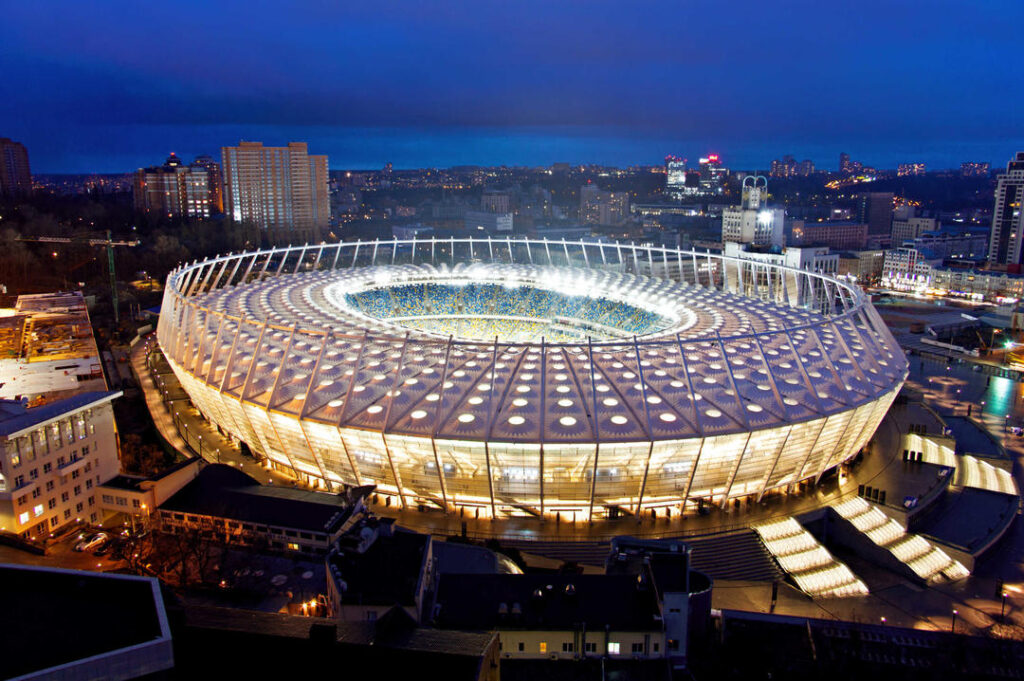
Historic Significance and Legacy of NSC Olimpiyskiy
NSC Olimpiyskiy stands at the heart of Kyiv’s sporting and cultural life as a living archive of Ukraine’s modern history. Since its early Soviet-era origins, the stadium has grown into a multi-purpose complex that hosts football, international matches, concerts, and national celebrations. Its evolution mirrors Ukraine’s own trajectory—from a regional venue to a symbol of national ambition and Olympic legacy. This section explores how the site shaped, and was shaped by, sports, politics, and culture across decades. Today the NSC schedule blends international fixtures with major cultural events, reinforcing its status as Ukraine’s national stadium.
Major historical events hosted
Major historical events hosted at NSC Olimpiyskiy trace a timeline from its Soviet-era phases to its status as a modern, globally visible arena. In its late 20th century incarnation it hosted the Ukrainian Cup finals and decisive league matches that helped shape the regional powerhouses and defined the era of Dynamo Kyiv’s domestic dominance. After Ukraine’s independence, the arena became the preferred home for the national team, hosting World Cup and European Championship qualifiers, memorable derbies, and milestone evenings when a nation watched its players take the field in front of tens of thousands. The stadium’s infrastructure was upgraded over time to meet rising expectations, reflecting a broader push to modernize Ukrainian sport and facility standards. The UEFA Euro 2012 cycle marked a turning point, as Kyiv welcomed teams and fans and the final was staged at Olimpiyskiy, sealing the complex’s place on the continental stage. Beyond football, the arena hosted global concerts and large cultural events that demonstrated sport’s power to unite audiences, from international tours to major state celebrations, reinforcing Olimpiyskiy as a true multi-purpose hub. For many Ukrainians the venue embodies a shared memory of triumphs and challenges, and a symbol of national perseverance—moments that have anchored a broader identity around sport, culture, and the ongoing modernization of public spaces. Over the decades the NSC’s platform expanded to include youth tournaments, Paralympic events, and international friendlies, widening access and inspiring a generation of players and fans. The stadium’s narrative is inseparable from Kyiv’s urban life, with match days shaping traffic, commerce, and neighborhood pride. In this sense, Major historical events hosted at NSC Olimpiyskiy are not simply football milestones; they are chapters in a living story about Ukraine’s place in European sport and in the shared memory of a nation.
Cultural and national symbolism
Beyond its function as a sports facility, NSC Olimpiyskiy acts as a national symbol and a stage for cultural expression. Its architectural silhouette—wide seating tiers, the arched roof, and a gleaming exterior—has become a Kyiv landmark that anchors the city’s identity in the eyes of residents and visitors. Over the decades the stadium has carried different meanings, from a Soviet-era monument to scale and order to a modern Ukrainian venue that hosts the Ukraine national stadium on the world agenda. The name Olimpiyskiy and the formal designation NSC reflect a double heritage: a link to the Olympic ideal and a commitment to public sport as a pillar of national culture. Independence-era celebrations, flag-raising ceremonies, and massive concerts turned the arena into a shared living room for the country, a place where music and sport intersect to create collective memory. The venue’s modernization—upgraded lighting, acoustics, and accessibility—preserved its historic character while enabling contemporary performances that attract global artists and international events. The NSC schedule and Olimpiyskiy concerts illustrate the facility’s role as both custodian of heritage and driver of cultural innovation. Its symbolism extends beyond sport: the stadium is cited in national narratives as a proof point of Ukraine’s resilience, a place where citizens gather to mark victories, mourn losses, and celebrate milestones together. For visitors, the stadium offers a tangible link to Kyiv’s public life, from the roar of a football crowd to the hush before a national ceremony. The stadium serves as a revered focal point in discussions of Ukrainian cultural heritage, a resilient icon that combines architectural memory with living practice, a venue that keeps pace with a modern society while honoring the traditions that shaped it. Thus, the legacy embedded in its walls speaks to audiences inside and outside Ukraine who value sport, music, and collective experience as shared national assets.
Record-breaking matches and attendances
Record-breaking moments at NSC Olimpiyskiy illuminate the arena’s capacity to draw crowds and create emotional peaks that resonate beyond the stadium. The Euro 2012 cycle showcased the stadium as a European-stage venue, with crowds surging for group matches and the final that brought together fans from across the continent. Domestic attendance milestones followed as the venue hosted Ukrainian Cup finals, league deciders, and high-stakes derbies, where tens of thousands filled the stands and the atmosphere became a public performance of passion. On match days the city’s energy would spill into nearby streets, with vendors, supporters, and families converging around the arena and public transit channels designed to move large crowds efficiently. Record moments also include dramatic late goals, fierce rivalries, and celebrations when the national team achieved important wins under the stadium lights. The stadium has seen capacity adjustments for safety that nevertheless preserved some of the highest attendance figures in the country, cementing Olimpiyskiy as Ukraine’s premier football venue and a benchmark for stadium events in the post-Soviet era.
Influence on Ukrainian sports development
NSC Olimpiyskiy’s modernization acted as a catalyst for broader improvements across Ukraine’s sports infrastructure. The Euro 2012 project triggered significant investments in pitch technology, lighting, security, accessibility, and media facilities that raised standards nationwide. The stadium’s success in hosting major events encouraged regional authorities to pursue upgrades and to adopt best practices in facility management, governance, and event operations. It spurred the creation of stronger coaching networks, youth programs, and partnerships with international bodies, helping to elevate Ukrainian training and development to European levels. By attracting international tournaments and major concerts, Olimpiyskiy helped diversify the local economy around sport and culture, creating jobs and stimulating urban regeneration in parts of Kyiv. The facility’s prestige also reinforced Ukraine’s bids for future events, shaping national strategies for infrastructure, transportation, and safety planning. While capacity and aesthetics matter, Olimpiyskiy’s lasting influence lies in shaping a durable ecosystem that supports athletes, clubs, fans, and communities, and in demonstrating how a national stadium can anchor a broader vision for sport as a catalyst for social progress.
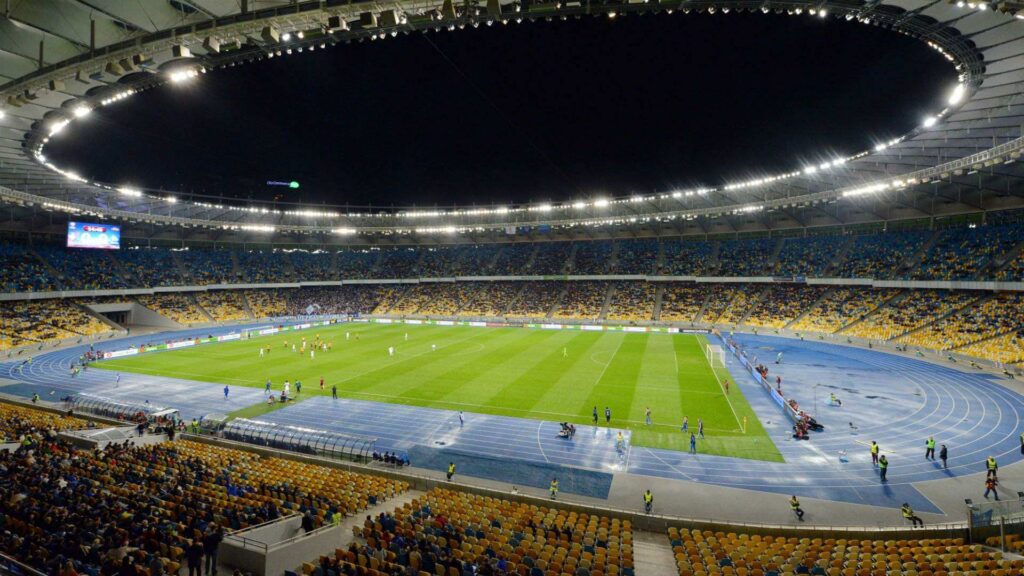
Facilities and Features for Events
NSC Olimpiyskiy is a multipurpose venue designed to host football matches, concerts, and national events with a focus on attendee comfort and operational efficiency. The stadium has evolved to balance a deep sense of history with modern technology, ensuring that every event can run smoothly from entry to exit. Accessibility, sightlines, and flexible configurations are all part of the core design philosophy that underpins the Olimpiyskiy’s legacy. When clubs, sponsors, or cultural acts come to Kiev, the facilities team coordinates logistics, hospitality, and transport to deliver a seamless experience for local fans and visiting guests alike. The NSC’s schedule reflects year-round programming, from league fixtures to major concerts, and the venue maintains rigorous standards for safety and accessibility. The broader footprint of Olimpiyskiy contributes to Ukrainian sports heritage and urban development, reinforcing how modern infrastructure can empower communities.
Stadium layout and seating
A well-planned layout makes it easy for fans to find their seats and for stewards to guide large crowds safely. The following table outlines the principal seating zones and their typical capacities, along with sightline notes and accessibility features.
| Section | Capacity | Sightline Notes | Accessibility |
|---|---|---|---|
| Lower bowl | 28,000 | Closest to pitch with optimal visibility | Elevator access at aisles 1–4 |
| Upper bowl | 18,000 | Steeper rake with panoramic views | Ramps and stairs in corners |
| Premium boxes | 1,200 | Premium sightlines, loge seating | Private entrances |
| Family zones | 6,000 | Bright, quieter seating, kid-friendly | On-site facilities |
| VIP/Platinum seats | 300 | Exclusive lounge access | Dedicated concierge |
This layout supports efficient ticketing and revenue planning, while maintaining clear sightlines for performance moments. For concerts or international fixtures, staff can reconfigure sections to optimize crowd flow and access to premium experiences.
Playing surface and technical specs
The Playing surface at NSC Olimpiyskiy is a hybrid grass system designed to combine the best qualities of natural turf with synthetic reinforcement. This approach balances ball behavior, player safety, and long-term durability, enabling the pitch to perform consistently across football, rugby, and large-scale concerts. The grass is grown off-site under controlled conditions and installed in seasonal blocks to maintain uniform density and drainage performance. The surface features a modern drainage network with an aggressive sub-soil profile that quickly removes surface water, reducing the risk of puddling and match interruptions even after heavy Kyiv rainfall. Lighting for night events relies on a high-intensity LED system positioned to minimize glare and ensure uniform illumination across the field, with camera-friendly angles for broadcasts. In parallel, the stadium is equipped with an advanced audio-visual environment that supports clear crowd communication, on-field announcements, and live replays on multiple screens. The site has an integrated control room that synchronizes pitch-side electronics, scoreboard information, and environmental comfort systems to create a seamless experience for players and spectators. For security and operational reliability, emergency power feeds, redundant cabling, and robust weather monitoring are in place to protect ongoing events. The playing surface and technical infrastructure are designed to adapt quickly to different event configurations, from high-profile football matches to concerts where stage layouts and audience sightlines demand flexible space management.
Corporate boxes and hospitality
Premium hospitality at NSC Olimpiyskiy is engineered to support relationship-building, client engagement, and brand exposure for sponsors, while preserving sightlines and comfort for all attendees. Packages range from compact executive boxes to full-floor hospitality suites, each designed with privacy, rapid service, integrated branding opportunities, flexible room layouts, and diverse culinary options to enable productive meetings, exclusive celebrations, or high-profile media briefings around events.
- VIP Sky Lounges offer panoramic views, climate-controlled comfort, dedicated hosts, gourmet catering options, private restrooms, and access to exclusive lounges before, during, and after events.
- Private clubs provide semi-private seating, on-site catering, dedicated entry points, premium sightlines, and flexible room layouts that accommodate corporate briefings or client entertainment.
- Executive boxes offer a discreet viewing position with leather seating, climate control, high-speed Wi-Fi, private teleconferencing equipment, and a dedicated hostess team to coordinate every part of the experience.
- Loge seating provides intimate sightlines, personalized service, and direct access to lounges, while premium dining packages can be tailored to suit international corporate groups.
- Hospitality suites offer a flexible configuration for product launches, press conferences, or reception events, with modular furniture, branded capabilities, and full-time event management support.
Access to dedicated entrances and concierge teams enhances the guest journey, while real-time attendee management and VIP transport coordination help organizers time arrivals, networking, and media interviews. The hospitality framework at Olimpiyskiy demonstrates how modern multi-purpose venues balance premium experiences with efficient operations.
Accessibility and transport links
NSC Olimpiyskiy is designed to be accessible to a broad spectrum of fans and visitors, with step-free routes from station entrances to seating zones, clearly marked wayfinding, and staff-assisted support throughout venues. Public transport is a key feature of the venue experience, with connections to Kiev’s metro lines, bus networks, and tram routes providing convenient access from neighborhoods across the city. The site includes multiple supervised parking zones, secure bicycle storage, and drop-off points near pedestrian gates to streamline arrivals for groups, sponsors, and fans attending back-to-back events. Inside the stadium, wide concourses, barrier-free gaps, and spacious lift cores ensure ease of movement for wheelchair users and individuals with mobility challenges. Accessible seating is distributed across all stands to guarantee sightlines and proximity to amenities, while hearing induction loops and multilingual staff help serve diverse audiences. For those driving, advanced traffic management plans coordinate with city authorities to minimize congestion around big events, with designated coach parking, controlled pedestrian crossings, and clear signage. The accessibility program extends to services such as real-time assistance via mobile apps, on-site information desks, and dedicated entrances for guests requiring extra support. Special provisions exist for families, elderly attendees, and guests with service animals. In addition to physical access, NSC Olimpiyskiy emphasizes inclusive programming, ensuring that event schedules, ticketing systems, and signage are available in multiple languages and accessible formats, reinforcing its role as a democratic cultural and sporting hub in Kiev. The transport links also support legacy projects from the Ukraine national stadium era, reinforcing how modern infrastructure can strengthen local communities and their engagement with national sports heritage.
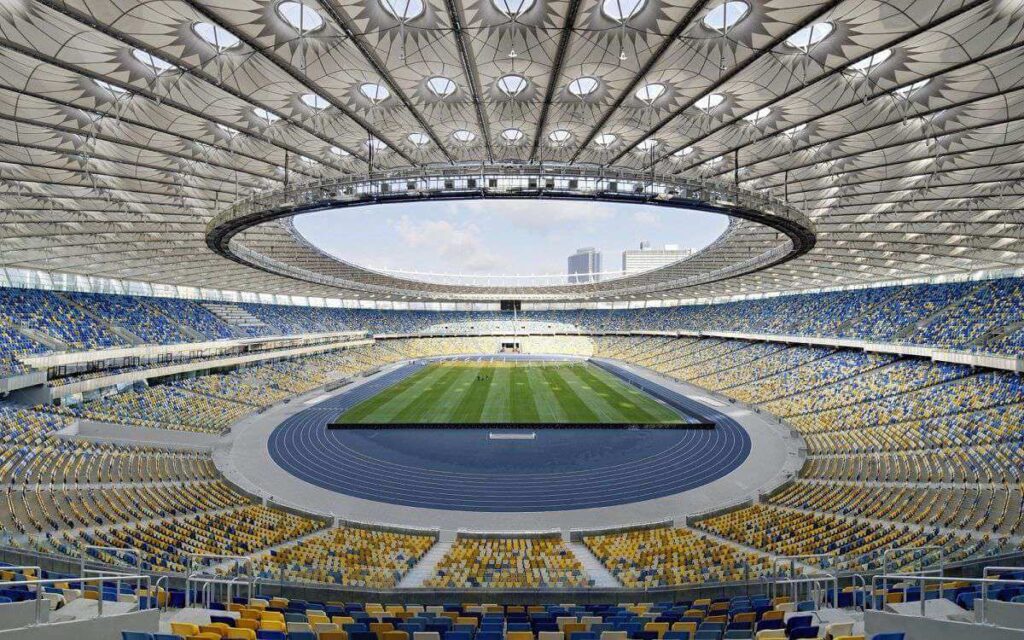
Offers and Partnerships for Clients
NSC Olimpiyskiy offers a curated suite of partnership opportunities that align brand goals with world-class events in Kyiv and across Ukraine. Whether you are targeting sports fans, music lovers, or cultural enthusiasts, our partnerships provide broad reach and meaningful engagement. This section outlines the available programs, what each tier includes, and how activation can be tailored to your objectives. We collaborate closely with sponsors to craft experiences that maximize visibility while supporting Ukrainian sports heritage and community programming. From naming rights to hospitality and brand integrations, our team helps you measure impact and optimize ROI across our multi-purpose venue.
Event packages and pricing
Choose from flexible packages designed for concerts, corporate gatherings, and sports showcases, with scalable space and services to fit your event.
To help you compare options and plan logistics, the table below outlines typical packages, audience capacities, space configurations, inclusions, and base pricing in euros.
| Package | Audience Capacity | Space | Inclusions | Base Price (EUR) |
|---|---|---|---|---|
| Bronze | 2,000–5,000 | Pitch and crowd zones | Basic staging, lighting, sound system, security, and cleaning | 40,000 |
| Silver | 5,001–15,000 | Stands and field access | Advanced staging, LED screens, enhanced security, VIP entry, and catering zones | 120,000 |
| Gold | 15,001–35,000 | Full stadium access, rehearsal room | Premium staging, multiple LED walls, dedicated event manager, premium catering area | 230,000 |
| Platinum | 35,001–70,000 | Full arena investment, backstage access | Exclusive naming rights consideration, on-air branding, top-tier hospitality suites, full security and logistics team | 400,000 |
For tailored quotes, availability checks, and to discuss custom add-ons, contact our partnerships team with your event brief and target dates.
Our team can adjust packages for multi-day events, VIP experiences, and broadcast requirements.
Sponsorship and partnership opportunities
Our sponsorship opportunities align brand visibility with premier events at NSC Olimpiyskiy, delivering measurable reach and meaningful connections for partners across sports, concerts, and cultural programs.
Below are the standard tiers and activation concepts designed to maximize exposure while fitting varied budgets and objectives.
- Presenting Partner: Exclusive naming rights and top-tier branding across entrances, seating blocks, scoreboards, and broadcast overlays, ensuring maximum visibility during event days and on promotional materials.
- Title Sponsor: Category exclusivity in marketing and media, dedicated hospitality experiences, prominent logo placement on screens and in digital programs, plus pre-event and live activation slots for partners.
- Official Partner: Co-branded campaigns across venue channels, product sampling in partner zones, logo inclusion in official guides, and access to guest lists for select hospitality and VIP experiences.
- Official Supplier: Collaborative sourcing of beverages or equipment, co-branded hospitality menus, on-site signage in service areas, and recognition in press materials and post-event activity recaps.
- Community Partner: Opportunities to support youth programs, cultural initiatives, and grassroots sports development with branded outreach, co-hosted clinics, and shared media amplification through arena channels and partner networks.
Our sponsorships team works with you to align activations with your goals, from in-venue experiences to digital campaigns, with transparent measurement and post-event reporting.
Reach and ROI can be modeled in advance to ensure you achieve your preferred outcomes.
Venue hire process and contacts
To begin the venue hire process, submit an inquiry through our partnerships desk with a brief event outline, target dates, and expected attendance. Our team reviews feasibility against the current calendar, infrastructure, and safety requirements.
A dedicated venue coordinator will respond within 2–5 business days, guiding you through the next steps, including site visits, floor plans, and an initial draft proposal that outlines spaces, times, and staffing needs.
Lead times vary by event type: major concerts or international sports fixtures typically require 8–12 weeks; corporate functions may fit within 4–6 weeks, while smaller community events can proceed in 2–4 weeks with provisional hold times.
Once you approve the proposal, a formal contract is issued, along with a deposit schedule and a detailed calendar of milestones. Contacts for inquiries are available through our partnerships team at the address and phone number listed on the site.
Catering and additional services
NSC Olimpiyskiy offers in-house catering options designed to match event type, from formal receptions to high-energy concerts. Our menus accommodate dietary restrictions and cultural preferences while maintaining high service standards.
In addition to in-house catering, we partner with trusted external providers to deliver premium hospitality experiences, from VIP lounges to on-site concessions, ensuring consistent quality and compliance with health and safety regulations.
Security, crowd management, cleaning, and logistics support are integrated into every catering package. Our team coordinates with you to align service timing with artist schedules, stage builds, and audience flow to minimize disruption.
Delivery and setup times are coordinated through your venue manager, with clear lead times and contingency plans for weather or schedule changes. For specific dietary requests or branding opportunities, contact the partnerships team during the planning phase.